Union Intelligent CNC Industrial Park A&B, Hefei, China 231131
News
How Laser Cutting Technology Is Shaping the Future of Manufacturing
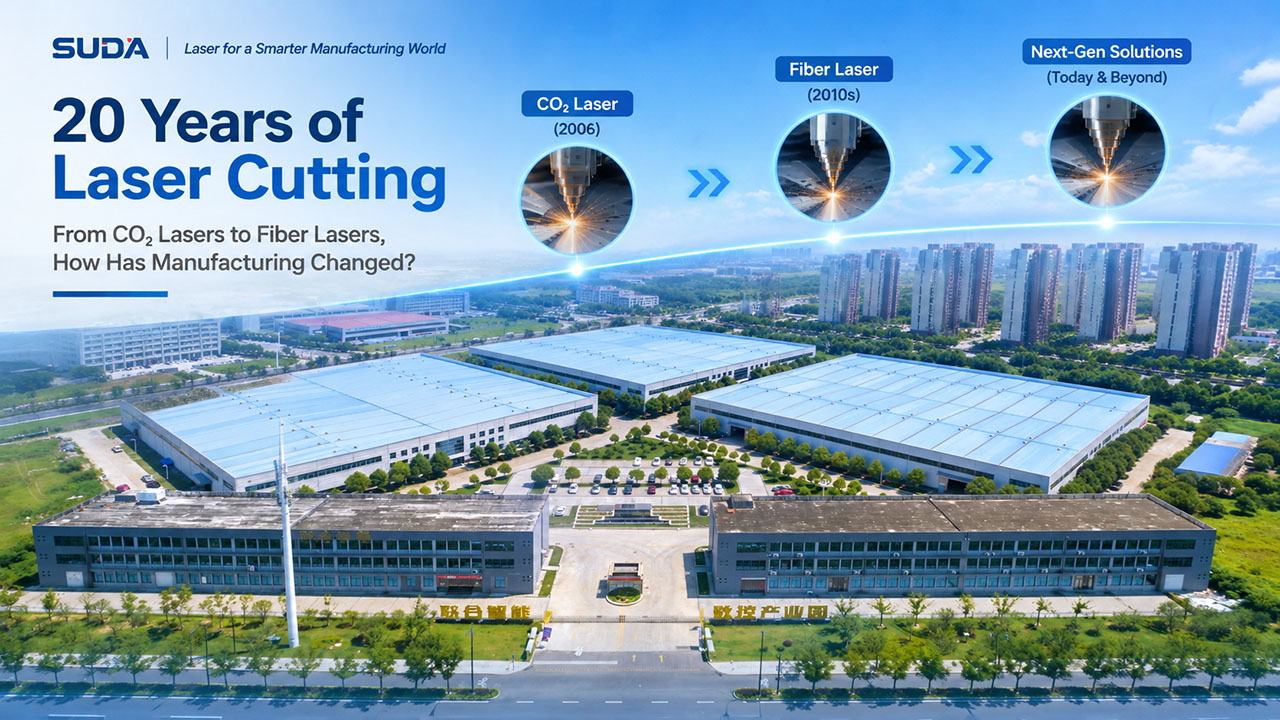
Over the past 20 years, laser cutting machines have undergone a major technological shift from CO2 lasers to fiber lasers. Cutting power, processing efficiency, and automation have all improved significantly. Looking ahead, however, the industry's main focus may no longer be limited to power and cutting speed. Instead, it will increasingly involve the transformation of the entire manufacturing process.
First, automation and intelligent manufacturing will become increasingly important. As manufacturers around the world face rising labor costs and a shortage of skilled workers, more factories are investing in automatic loading and unloading systems, intelligent nesting software, automated production lines, and remote machine monitoring. Future laser cutting machines will no longer operate simply as standalone processing equipment. They will become an important part of integrated smart manufacturing systems. Data exchange between machines, real-time production monitoring, and intelligent optimization of cutting parameters will further improve overall productivity.
Second, changes in global manufacturing supply chains are creating new opportunities in emerging markets. India, for example, is seeing continued growth in automotive components, construction machinery, and renewable energy industries. The expansion of solar panel manufacturing and related metal structures is also creating new demand for efficient metal processing equipment. Vietnam, supported by manufacturing relocation and export-oriented industries, has become an important manufacturing base in Southeast Asia. The growth of electronics, machinery manufacturing, and industrial supply chains is creating more opportunities for laser processing technology.
Indonesia is another market worth watching. As the country develops its electric vehicle, battery, and nickel processing industries, industrial investment is gradually moving toward higher-value manufacturing. Meanwhile, Latin America also offers different opportunities. Mexico has attracted automotive and auto parts manufacturers thanks to its close trade links with the United States, supporting the development of related metal fabrication industries. Brazil, on the other hand, has well-established automotive, agricultural machinery, and heavy equipment industries, creating long-term demand for sheet metal processing, structural component manufacturing, and industrial automation equipment.
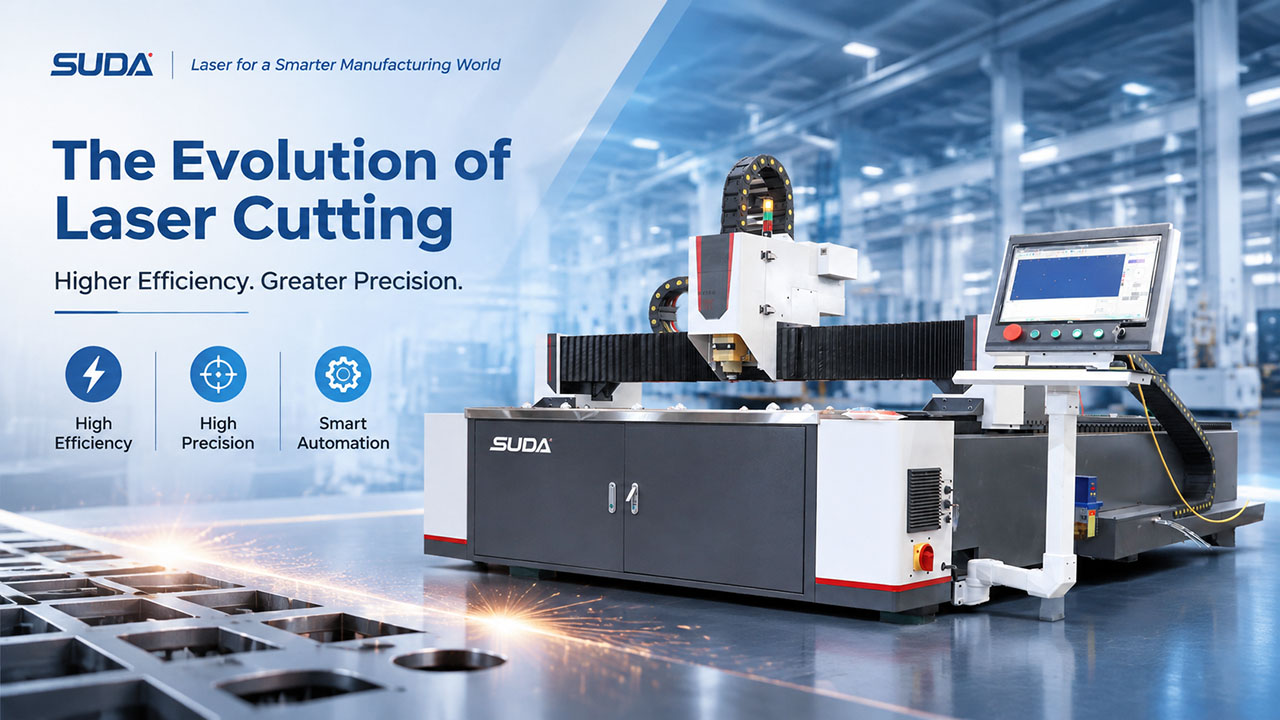
Although these markets differ in their industrial foundations, technological capabilities, and investment capacity, they face a common challenge: how to improve processing accuracy, production efficiency, and product competitiveness while keeping manufacturing costs under control. For local manufacturers, equipment upgrades are no longer just a way to expand production capacity. They are becoming an important part of staying competitive in international markets.
It is also important to recognize that market growth does not simply mean more machines being purchased. Manufacturers need more than high-power laser cutting machines. They also need stable processing performance, lower overall operating costs, more complete automation solutions, and reliable technical support and after-sales service. In emerging markets in particular, equipment adaptability, ease of operation, and long-term maintenance costs can all influence purchasing decisions.
The development of laser cutting technology reflects the broader direction of global manufacturing: higher efficiency, greater automation, and increasingly globalized production. For equipment manufacturers, the real opportunity is not simply to sell more machines, but to help manufacturers around the world upgrade their production capabilities.




Leave a Comment