Union Intelligent CNC Industrial Park A&B, Hefei, China 231131
News
20 Years of Laser Cutting: From CO2 to Fiber Lasers - How Has It Changed?
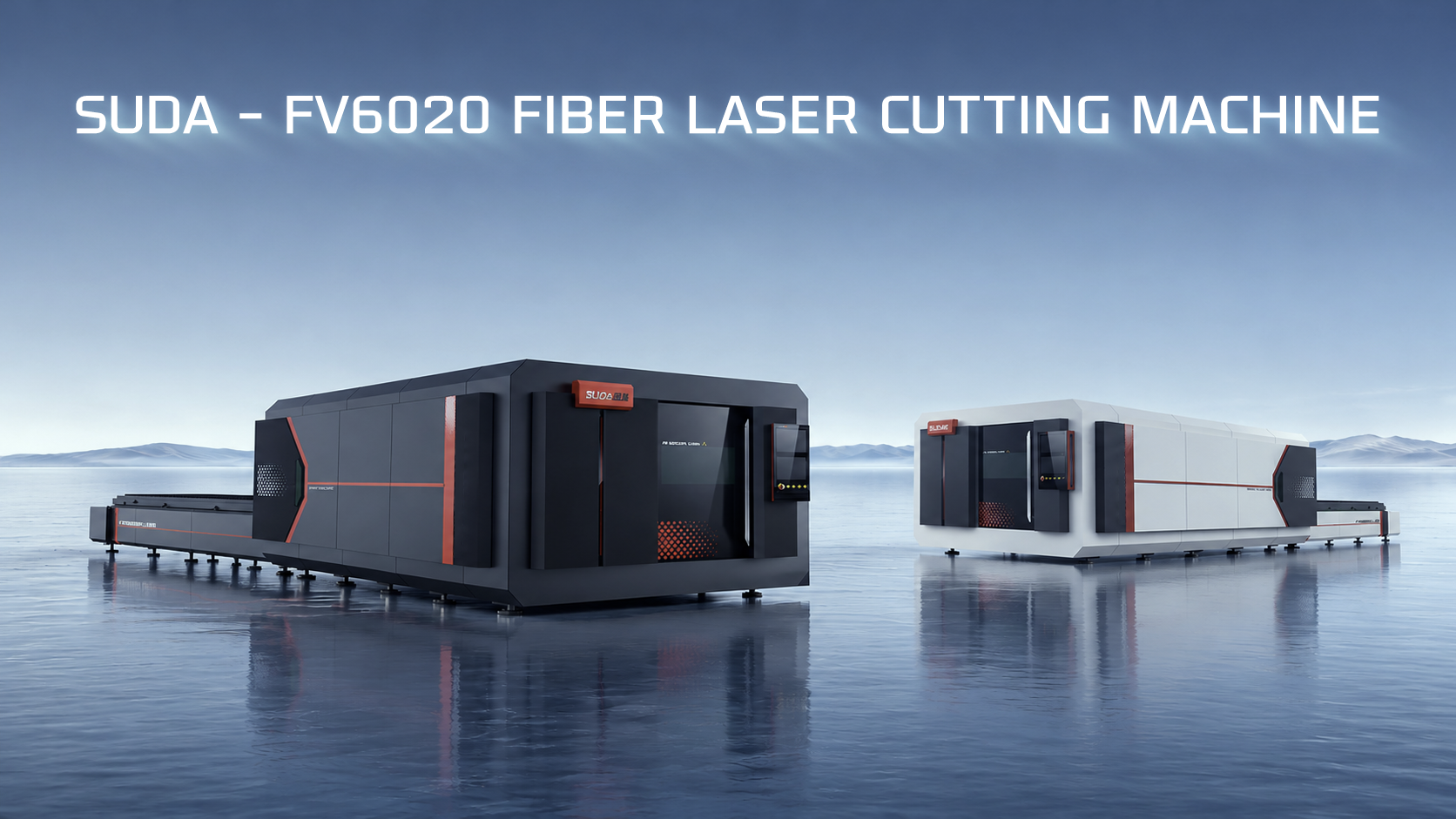
If we go back to 2006, laser cutting technology was already widely used in industrial manufacturing. However, laser cutting machines today are very different from those used two decades ago.
The CO2 Era
At that time, CO2 lasers were the dominant light source for metal sheet cutting. Most industrial machines operated at power levels of around 2-4 kW, while higher-power models were also available. With mature technology and consistent cutting quality, CO2 laser cutting machines played an important role in the automotive, machinery manufacturing, and sheet metal fabrication industries. However, their large optical systems, complex beam path maintenance, and relatively low electrical efficiency increased operating and maintenance costs. CNC systems, servo drives, and motion control technology were also far less advanced than they are today.
Technology Matters
Over the following years, laser cutting technology went through several major upgrades. Improvements in CNC systems, servo drives, and motion control helped increase positioning accuracy, operating speed, and processing stability. Automation also became more widely adopted. Automatic loading and unloading systems, exchange tables, and intelligent nesting software gradually became part of production lines, allowing manufacturers to move from standalone machine operation to continuous production.
Advantages of Fiber Laser
The commercialization of fiber laser technology brought the biggest change to the industry. Although fiber lasers had already been researched and used in telecommunications and industrial applications, kilowatt-level fiber lasers only began entering the metal processing market in the second half of the 2000s. Compared with CO2 lasers, fiber lasers have a shorter wavelength, which offers better energy absorption characteristics for metal processing. They also provide higher electrical efficiency, a more compact design, and lower maintenance requirements. These advantages are particularly noticeable in high-speed sheet metal cutting. Around 2010, as manufacturers introduced more mature industrial products, fiber laser cutting machines began to gain market share rapidly.
Higher Power
Since then, laser power has increased significantly, from the early 1-2 kW range to today's 6 kW, 12 kW, 20 kW, and even tens of thousands of watts. Higher power has greatly expanded the ability to cut thicker materials. However, cutting quality is never determined by power alone. Beam quality, cutting head performance, assist gas, motion control, and processing parameters all play important roles. At the same time, technologies such as intelligent focusing, real-time monitoring, automated loading and unloading, and digital production management have continued to improve.
From 2006 to 2026, the evolution of laser cutting machines has involved much more than increases in power. It reflects the transformation of the manufacturing industry toward higher efficiency, greater automation, and smarter production. And this technological progress is far from over.




Leave a Comment